
Hero Summary
This guide is crafted specifically for HR leaders, IT directors, and transformation teams steering Darwinbox implementations in mid-to-large enterprises—those organizations with 1,000 to 10,000+ employees where scalability and integration complexities can make or break success. If you’ve moved beyond the initial sales demos and vendor pitches, and now find yourself grappling with the real challenge of transforming a powerful HR system like Darwinbox into an ingrained, everyday habit for your workforce, this playbook is your essential roadmap. We’re diving deep into the strategies that bridge the often-overlooked gap from the triumphant “go-live” moment to sustained value realization, where adoption becomes second nature, employee engagement soars, and ROI doesn’t just materialize but compounds over time—all while sidestepping the common post-launch pitfalls that plague up to 70% of digital transformations, leaving them underdelivering on promises and draining resources.
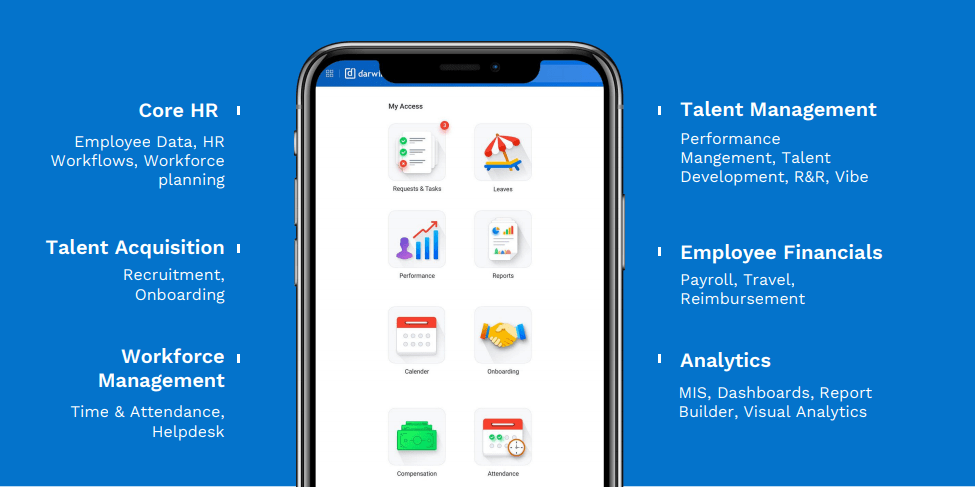
In today’s fast-paced business landscape, where hybrid work models, talent shortages, and regulatory pressures demand agile HR operations, simply deploying Darwinbox isn’t enough. Enterprises invest heavily in this Enterprise SaaS powerhouse for its comprehensive suite—covering everything from core HR and payroll to advanced analytics, talent acquisition, and employee experience tools—but too often, the focus remains on technical setup rather than human-centric adoption. This results in underutilized features, frustrated users reverting to legacy processes, and executives questioning the multimillion-dollar outlay. Our playbook addresses this head-on by emphasizing practical, actionable insights drawn from real-world implementations across industries like manufacturing, retail, fintech, and healthcare.
Why does this matter now? With the global HR Tech market projected to reach $50 billion by 2025, and remote work solidifying as the norm, organizations can’t afford stalled projects. Economic uncertainties further amplify the need for quick time-to-value; a well-adopted Darwinbox can reduce administrative burdens by 40-50%, streamline compliance, and foster a data-driven culture that boosts retention and productivity. Yet, without a deliberate shift from launch excitement to habit formation, these benefits remain elusive. This guide equips you with frameworks, rituals, and metrics to ensure your Darwinbox deployment evolves from a one-time event into a living, breathing part of your organizational fabric.
Whether you’re dealing with resistance from end-users, integration hurdles with ERP systems, or measuring intangible ROI like improved morale, we’ll cut through the noise with Mainstay’s proven “Launch to Habit” approach. Expect no fluff—just playbook-level tactics, including phased roadmaps, behavioral anchors, and governance models that have helped clients achieve 90%+ adoption rates and measurable gains in efficiency. If you’re ready to turn potential into performance, this is where you start building momentum that lasts.
The Problem Behind the Project
You’ve invested heavily in Darwinbox, a cutting-edge HR Tech platform that promises to revolutionize your operations with seamless payroll processing, comprehensive talent management, intuitive employee engagement tools, and advanced analytics for data-driven decisions. It’s designed for mid-to-large enterprises, offering scalability to handle complex global workforces while integrating with existing ecosystems like ERP or CRM systems. Yet, beneath the allure of these features lies a harsh reality that plagues many adopters: most implementations lose momentum shortly after launch, failing to deliver on their full potential.
According to Gartner research, a staggering 70% of digital transformations fall short of their intended outcomes, with only 30% achieving true success. This discrepancy often stems from an overemphasis on the technical rollout phase—configuring modules, migrating data, and hitting that coveted “go-live” button—while neglecting the human and operational elements that sustain long-term value. Teams pop the champagne at deployment, viewing it as the finish line, but in truth, that’s merely the starting point. Post-launch, insidious challenges emerge as silent killers: persistently low user adoption rates, where employees default to familiar but inefficient methods; fragmented data silos that persist despite the platform’s unification promises; and misaligned processes that don’t adapt to evolving business needs, gradually eroding efficiency and ROI.
Delve deeper into these common frictions, and patterns become clear. For instance, employees might revert to old habits like maintaining shadow spreadsheets for performance reviews or compensation planning, undermining Darwinbox’s centralized dashboard capabilities. Integration glitches with legacy systems—such as outdated finance software or custom-built tools—can create workflow bottlenecks, leading to delays in critical tasks like onboarding or compliance reporting. Moreover, without robust ongoing governance, features like AI-driven talent insights or mobile self-service remain underutilized, gathering digital dust while support tickets pile up from confused users.
In the realm of enterprise SaaS like Darwinbox, the project lifecycle doesn’t conclude at deployment; it’s an ongoing journey requiring deliberate strategies for habit formation and continuous improvement. Absent this structured approach, organizations witness alarming trends: engagement metrics plummet as adoption wanes, operational costs spike due to redundant manual workarounds, and executives begin scrutinizing the investment, demanding proof of value amid tightening budgets. From our experience at Mainstay, we’ve observed this cycle firsthand in diverse clients across sectors—manufacturing firms struggling with shift-based integrations, retail giants facing seasonal talent flux, and fintech companies battling regulatory data demands. Initial excitement morphs into widespread frustration, transforming what could be a strategic game-changer into just another underperforming tool in the tech stack, buried amid competing priorities.
To break this cycle, it’s essential to recognize these pitfalls early and shift focus toward proactive post-implementation ownership. By addressing them head-on, enterprises can unlock Darwinbox’s true power, fostering a culture where the platform becomes indispensable rather than optional.
Mainstay’s Lens
At Mainstay, we view HR Tech adoption through the “Launch to Habit” framework: a balanced approach blending behavioral science, operational rituals, and data-driven iteration. Think of it as an anchor (stability in core processes) plus thrust (agile enhancements for speed). Unlike traditional consultancies that hand off post-implementation, we emphasize post-go-live ownership, treating Darwinbox not as a product but as an evolving ecosystem. Our philosophy: Success isn’t measured by uptime alone, but by how deeply the platform embeds into your org’s DNA—reducing manual efforts by 40-60% and boosting employee satisfaction scores.
This lens shifts the narrative from “implement and forget” to “launch, nurture, thrive.” We draw from real-world patterns: For instance, in a 5,000-employee manufacturing firm, we transformed sporadic usage into habitual reliance by ritualizing weekly pulse checks and gamifying module adoption.
Playbook Section (Core)
Playbook Section (Core)
- Roadmap: Phased Adoption Blueprint
Creating a successful Darwinbox implementation requires more than just technical deployment; it demands a strategic roadmap that guides your organization from initial excitement to long-term integration. This phased adoption blueprint extends far beyond the launch date, ensuring that the platform evolves with your business needs. By dividing the journey into structured phases, you can manage expectations, allocate resources effectively, and measure progress incrementally. The three key phases—Ignition, Acceleration, and Habituation—provide a clear path, allowing teams to build momentum without overwhelming users or straining IT infrastructure.
The Ignition Phase, spanning Weeks 1-4, focuses on core user onboarding to establish a strong foundation. Here, prioritize high-impact modules such as core HR functions (employee records, leave management) and payroll processing, which deliver immediate value and build user confidence. Instead of generic training that bores participants with irrelevant details, opt for role-based sessions tailored to specific user groups. For example, line managers might receive targeted training on performance tracking tools, including how to set SMART goals within Darwinbox’s intuitive interface, while HR admins dive into compliance reporting features. This customization ensures relevance and boosts retention of knowledge.
A common pitfall in this phase is overloading users with the full suite of features right away, leading to confusion and resistance. Darwinbox’s modular architecture is a boon here—leverage it to roll out capabilities in controlled waves. Start with essentials, then layer on advanced tools like talent acquisition or analytics. This staged approach mirrors agile methodologies, allowing for quick feedback loops and adjustments.
To make informed decisions, incorporate decision-making signals early on. Utilize Darwinbox’s built-in analytics dashboard to monitor key metrics like login frequency and module usage. If login rates drop below 80% by Week 2, it’s a red flag signaling potential usability issues or inadequate training. Trigger immediate interventions, such as peer coaching sessions where experienced users guide novices, or gamified challenges to encourage exploration. These signals act as early warning systems, preventing minor hiccups from escalating into widespread disengagement.
Consider a micro-case from one of our retail clients: Post-launch, they experienced a 25% adoption drop primarily due to unfamiliarity with the user interface, which differed significantly from their legacy system. To counter this, we introduced “Darwinbox Champions”—a network of internal advocates selected from various departments. These champions conducted bite-sized, 15-minute demos during team meetings, focusing on one feature per session. The result? Engagement surged to 95% within a month, with users reporting higher satisfaction and fewer support queries. This initiative not only accelerated onboarding but also fostered a sense of ownership among employees.
- Ritual: Building Behavioral Anchors
True adoption hinges on transforming Darwinbox from a tool into a habit, and this is achieved through deliberate rituals that embed the platform into daily workflows. Habits are formed through consistent repetition, so design simple, repeatable actions that position Darwinbox as the go-to default for HR tasks. For instance, implement “Daily Darwin Huddles”—short, 5-minute team check-ins using the platform’s chat integration to discuss priorities or flag issues. Another effective ritual is “Feedback Fridays,” where employees submit anonymous surveys via the employee self-service portal, encouraging regular interaction and providing valuable insights for continuous improvement.
Underpinning these rituals is a robust framework adapted from the Fogg Behavior Model, which breaks down habit formation into three elements: Motivation, Ability, and Prompt. In an enterprise context, boost motivation by highlighting visible wins, such as automated approval workflows that save hours of manual processing, perhaps quantified in weekly progress emails. Enhance ability with user-friendly aids like contextual help bots integrated into Darwinbox, offering on-the-spot guidance without leaving the platform. Finally, use prompts like push notifications or email reminders to nudge users toward desired actions, ensuring consistency.
However, common pitfalls can derail these efforts, such as ignoring cultural resistance where new rituals clash with established norms. To mitigate, map rituals to your organization’s existing practices—for example, if your team already uses Slack for communication, integrate Darwinbox notifications seamlessly into that channel. This reduces friction and leverages familiarity to drive uptake.
A compelling micro-case comes from a tech services firm we partnered with. They struggled with inconsistent goal-setting, relying on sporadic emails and spreadsheets. We ritualized the process using Darwinbox’s performance module, starting with mandatory quarterly reviews but evolving to habitual weekly updates through automated prompts and gamified elements like progress badges. This shift not only streamlined operations but also reduced employee attrition by 15%, as staff felt more connected and aligned with company objectives. Employees reported a 20% increase in perceived transparency, turning what was once a chore into a valued routine.
- Framework: Data and Integration Governance
Darwinbox excels in data orchestration, centralizing information to power insights and automate processes, but without proper governance, it risks becoming an opaque black box prone to errors and inefficiencies. To harness its full potential, establish “Data Contracts”—formal agreements defining how data flows between Darwinbox and interconnected systems like ERP (e.g., SAP or Oracle) or CRM (e.g., Salesforce). These contracts specify data formats, update frequencies, ownership, and error-handling protocols, ensuring reliability and compliance.
Integrate this into your broader roadmap by forming a governance council comprising representatives from HR, IT, and business units. This cross-functional team should convene bi-weekly to review data health metrics, such as API call error rates, latency issues, or data completeness scores. Use Darwinbox’s reporting tools to generate these insights, fostering proactive maintenance rather than reactive firefighting.
For practical application, leverage templates like our sample “Integration Health Checklist,” available for download below. This comprehensive tool covers critical areas: API endpoints for secure connections, security protocols including encryption and access controls, and scalability tests to simulate growth scenarios. Customize it to your environment for ongoing audits.
Beware of common pitfalls, such as underestimating the need for post-launch tweaks. Many organizations allocate budgets solely for initial setup, overlooking that integrations often require iterative refinements—plan for at least 20% of your total budget here to accommodate evolving needs, like adding new data sources as your business expands.
In a micro-case involving a healthcare provider, initial integration with their patient management system led to sync issues, causing payroll delays and compliance risks. Implementing our governance rituals, including monthly audits and automated alerts for discrepancies, resolved 90% of errors. This enabled real-time shift scheduling, improving operational efficiency by 35% and ensuring HIPAA compliance. The council’s involvement also built inter-departmental trust, turning data governance from a burden into a strategic asset.
- Common Pitfalls: Navigating Adoption Roadblocks
Even with a solid roadmap, adoption roadblocks can emerge, so anticipate and mitigate them proactively. Key challenges include resistance from power users accustomed to old systems—counter this by involving them in beta testing phases, where their feedback shapes customizations. Scalability strains in rapidly growing organizations can be addressed by leveraging Darwinbox’s cloud elasticity, allowing seamless scaling without downtime. Metric misalignment is another hurdle; ensure KPIs like time-to-hire or employee turnover are directly tied to platform usage metrics, creating a clear link between adoption and business impact.
Decision-making signals are crucial for early detection: Monitor for red flags such as a spike in helpdesk queries (indicating confusion) or stagnant feature utilization (suggesting irrelevance). Use Darwinbox’s reports to track these in real-time, enabling swift interventions like targeted retraining or feature tweaks.
A micro-case from an e-commerce giant illustrates this: Post-launch, executive skepticism arose due to unclear ROI. By aligning adoption metrics with outcomes—such as achieving 30% faster recruitment through streamlined applicant tracking—we demonstrated tangible value. This not only converted doubters into advocates but also secured additional funding for expansions, highlighting how addressing pitfalls head-on can accelerate overall success.
- Client Story Integration: Scaling with Accountability
To scale adoption enterprise-wide, embed accountability mechanisms that keep stakeholders engaged. Central to this is the “Adoption Scorecard”—a custom dashboard within Darwinbox that tracks metrics like user engagement (daily active users), process efficiency (automation rates), and ROI proxies (cost savings from reduced manual work). This visual tool democratizes data, making progress transparent.
The framework involves quarterly reviews with executive sponsors, where teams celebrate wins (e.g., via recognition programs) and course-correct deviations, such as low module usage. This rhythmic accountability ensures sustained momentum.
In a fintech client micro-case, the scorecard uncovered underused learning and development modules amid skill shortages. We launched targeted campaigns with personalized prompts and micro-learning paths, boosting completion rates by 50%. This directly addressed skill gaps, enhancing workforce agility and reducing recruitment needs by 25%. The reviews fostered a culture of continuous improvement, proving accountability as the linchpin for long-term value realization.
How to Start
Getting started on transforming your Darwinbox implementation from a post-launch limbo into a thriving, habitual part of your operations doesn’t require a massive overhaul—it begins with small, intentional steps that build immediate momentum. The key is to act swiftly within the first two weeks after recognizing adoption gaps, focusing on diagnostics and low-hanging fruit that deliver quick wins. This approach not only reignites enthusiasm but also sets the stage for sustained value realization, aligning with enterprise SaaS best practices where early interventions can boost ROI by up to 30% in the initial quarters.
Kick off with a structured “Darwinbox Health Audit,” a lightweight yet powerful exercise designed to uncover hidden inefficiencies without disrupting daily workflows. Start by assembling a cross-functional team of 5-8 members, including representatives from HR, IT, operations, and end-user groups (e.g., managers or department leads). This diversity ensures a holistic view, preventing siloed perspectives that often plague transformations. Schedule a 90-minute virtual or in-person workshop to facilitate collaboration—use tools like Miro or Microsoft Teams for real-time input.
During the audit, dive into reviewing current usage logs via Darwinbox’s admin tools, such as the analytics dashboard and activity reports. Look for patterns: Low login rates in certain departments? Underutilized modules like employee self-service? High error logs in integrations? Quantify these with metrics—aim to benchmark against industry standards, where healthy adoption sees at least 85% weekly active users. From this data, identify three quick wins that can be implemented immediately, requiring minimal resources. For example:
- Enabling Mobile Access: If logs show desktop-only usage, activate Darwinbox’s mobile app features. This is ideal for field-based or hybrid teams, allowing on-the-go approvals and self-service, potentially reducing administrative time by 20-30%. Test with a pilot group and roll out with a simple email tutorial.
- Automating One Workflow: Target a pain point like leave requests or expense reimbursements. Use Darwinbox’s no-code workflow builder to automate approvals, integrating notifications via email or Slack. This quick setup can eliminate manual chasing, freeing up HR bandwidth and improving employee satisfaction scores.
- Custom Dashboard Tweaks: Personalize user homepages to highlight frequently used features, based on log insights. For instance, prioritize talent management widgets for recruiters, making the platform more intuitive and encouraging habitual use.
To streamline this process, download our “Launch to Habit Starter Kit” below. This free resource includes customizable templates like an audit agenda, usage log analysis spreadsheet, quick-win prioritization matrix, and implementation checklists. It also features a one-pager diagnostic tool with self-scoring rubrics for adoption health, helping you benchmark and track progress. By completing the audit and actioning these wins within two weeks, you’ll generate visible momentum—think reduced support tickets and anecdotal feedback like “This just got easier.” This foundation paves the way for deeper phases, turning Darwinbox into an indispensable ally rather than an underused investment. Remember, the goal is progress over perfection; start small, iterate fast, and watch adoption compound.
Book a Discovery Call
Ready to make Darwinbox a habit, not just a tool? Book a discovery call with Mainstay to map your path to sustained value.