
CRM software or Customer Relationship Management, in the Indian enterprise landscape is often heavily misunderstood. When scaling past 500 employees, the C-suite frequently views a CRM as a digital Rolodex or a reporting dashboard for management. Consequently, organizations default to purchasing the most globally recognized brand names—typically Salesforce or HubSpot—assuming that premium software automatically translates to higher revenue.
However, within six months of deployment, a harsh reality sets in. The field sales agents find the system too dense to use on their mobile devices. Lead response times lag because routing rules require manual intervention. The Total Cost of Ownership (TCO) spirals out of control as internal IT teams struggle to build custom workflows.
To understand why this happens, enterprise leaders must recognize that not all CRMs are architected for the same type of sales motion. Selling a multi-million dollar SaaS contract over nine months requires a vastly different system than selling thousands of insurance policies, educational courses, or real estate plots in a high-velocity, high-volume environment.
As a specialized LeadSquared implementation partner in India, we have observed how global architecture often clashes with local Indian sales realities. This comprehensive analysis breaks down the fundamental differences between Salesforce, HubSpot, and LeadSquared to help your enterprise architect a system that actually accelerates revenue.
The Architectural Divide: Account-Based vs. High-Velocity
The most critical differentiator between these platforms is their fundamental data architecture. If you choose a CRM whose underlying philosophy does not match your sales motion, you will spend millions in custom development fighting the software.
Salesforce: The Account-Based Behemoth
Salesforce is the undisputed global leader in enterprise CRM. Its architecture is built around the “Account” and the “Opportunity.” It is designed for complex B2B sales cycles involving multiple stakeholders, long negotiation periods, and intricate contract management. If your enterprise sells heavy manufacturing equipment or enterprise software where a single deal takes a year to close, Salesforce provides unparalleled depth. However, this depth comes at the cost of agility. In high-velocity Indian markets (like EdTech, FinTech, or Real Estate), dealing with complex Account-Contact-Opportunity hierarchies for a simple B2C or high-volume B2B lead is massive administrative overkill. It forces sales reps to fill out dozens of irrelevant fields just to move a lead to the next stage, killing adoption.
HubSpot: The Inbound Marketing Engine
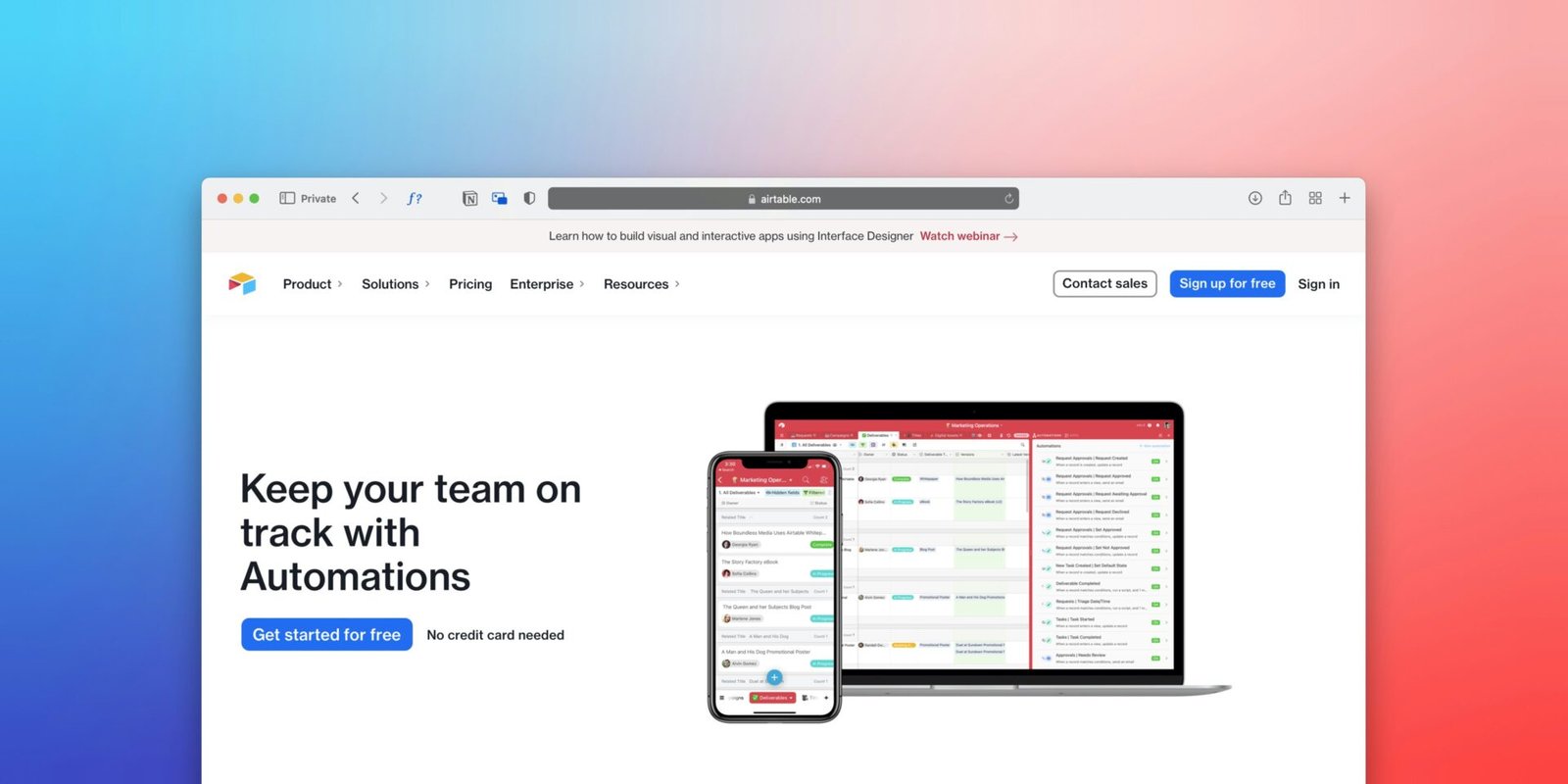
HubSpot revolutionized “Inbound Marketing.” Its CRM is fundamentally built as an extension of its marketing automation platform. Its philosophy centers on nurturing leads through content, emails, and organic engagement. For digital-first businesses focused on long-term brand building and content-driven lead generation, HubSpot is remarkably user-friendly. The limitation of HubSpot for the Indian enterprise is its field-sales capability. It is a desktop-first, inbound-first system. If your business relies on a massive outbound call center or a distributed field force knocking on doors and capturing leads via mobile devices, HubSpot’s architecture begins to break down.
LeadSquared: The High-Velocity Execution Engine
LeadSquared was built specifically for high-velocity, high-volume sales motions. Its architecture treats the “Lead” as a living, breathing signal that must be acted upon instantly. Unlike Salesforce, which requires navigating complex relational tables, LeadSquared is entirely focused on operational execution. If your enterprise generates 10,000 leads a day, LeadSquared excels at zero-latency lead capture, intelligent routing (based on geography, language, or agent availability), and immediate automated engagement. It is not designed to manage a 12-month B2B procurement cycle; it is designed to ensure a lead is called within 3 minutes of submitting a form.
Indian Market Localization and the Mobile Workforce
In India, a massive percentage of enterprise sales happen outside the corporate office. Field agents in Tier 2 and Tier 3 cities require technology that works in low-bandwidth environments and aligns with local communication habits.
The Mobile Experience
Global CRMs like Salesforce offer mobile apps, but these are often compressed, heavy versions of their desktop environments. They require robust internet connections and significant data entry. LeadSquared was designed for the Indian field agent. It offers a lightweight, native mobile app that includes geo-fencing, voice-to-text notes, and offline data capture. If a sales agent in a rural area loses internet connectivity, they can still log their meeting and update the lead status; the app simply syncs the data once the connection is restored. This “edge” functionality is critical for securing 100% data compliance from your field teams.
Omnichannel Communication
In Western markets, email is the primary business communication tool. In India, business runs on WhatsApp and phone calls. While Salesforce and HubSpot require expensive third-party integrations to manage WhatsApp and cloud telephony, LeadSquared natively prioritizes these channels. An agent can trigger a WhatsApp template, dial the client via an integrated cloud telephony dialer (like Exotel or Knowlarity), and log the call recording directly into the CRM—all without leaving the application. This unified communication layer drastically reduces the “tab-switching” fatigue that limits agent productivity.
Total Cost of Ownership (TCO) and Deployment Velocity
When evaluating enterprise CRM, the initial license cost is only a fraction of the Total Cost of Ownership.
The Salesforce “Consulting Tax”
Deploying Salesforce in an enterprise is a massive undertaking. The platform is a blank canvas, meaning it requires highly specialized (and expensive) developers to write custom Apex code to make it function for your specific business. Implementation timelines often stretch from 8 to 18 months, and enterprises are forced to retain dedicated Salesforce Administrators permanently.
The LeadSquared CRM “Configuration over Customization” Advantage
LeadSquared offers a much faster “Time-to-Value.” Because it is pre-architected for high-velocity sales, the deployment focuses on configuration rather than custom code development. A specialized implementation partner can map your workflows, configure the routing logic, build the API integrations, and roll out the system to 1,000 agents in 3 to 4 months. The TCO is significantly lower, allowing enterprises to redirect capital from IT maintenance into actual sales acquisition.
The Critical Role of an CRM Implementation Partner
The most dangerous assumption a CTO or Head of Sales can make is that a CRM will solve their pipeline problems “out of the box.” Software is merely the infrastructure; the business logic must be engineered into it.
If you purchase LeadSquared but fail to properly integrate it with your marketing platforms, your ERP, and your HRMS, you have simply purchased an expensive digital address book.
- Who builds the middleware that automatically generates an invoice in the ERP when a deal is closed in the CRM?
- Who configures the webhooks that instantly assign a high-intent Facebook lead to the highest-performing sales rep currently on shift?
- Who ensures that when HR terminates an employee, their CRM access is instantly revoked to prevent data theft?
These are architectural problems that software vendors do not solve. They require an implementation partner who understands cross-functional enterprise workflows.
Next Step: Architect Your Revenue Engine with LeadSquared CRM Do not let your premium software turn into expensive shelfware. To achieve true sales velocity and guarantee ROI, you need an architect who understands the unique demands of the Indian market. Discover how we eliminate lead leakage and accelerate pipeline velocity through our specialized LeadSquared Implementation Partner Services.