
When it comes to post-implementation hrms adoption challenges, the implementation partner has completed the final User Acceptance Testing (UAT). The data has been migrated, the C-suite has been briefed, and the “Go-Live” email has been sent to the entire company. On paper, the digital transformation is complete.
Six months later, the reality tells a different story. The Chief Human Resources Officer (CHRO) discovers that mid-level managers are still tracking team attendance on private Excel sheets. The payroll team is manually overriding the system’s tax calculations because regional factory data is inaccurate. The CTO is frustrated because the new HR platform isn’t properly syncing user permissions with the central Active Directory.
In the enterprise space—organizations scaling past 500 employees—a technically flawless software installation does not guarantee business value. The “Go-Live” date is simply the starting line. True ROI is dictated by user adoption, data integrity, and cross-functional governance. As a specialized darwinbox implementation partner india, we frequently parachute into stalling HR transformations. Here are the most critical post-implementation adoption challenges Indian enterprises face, and the architectural solutions required to fix them.
Challenge 1: The “Shadow IT” and the Persistence of Excel
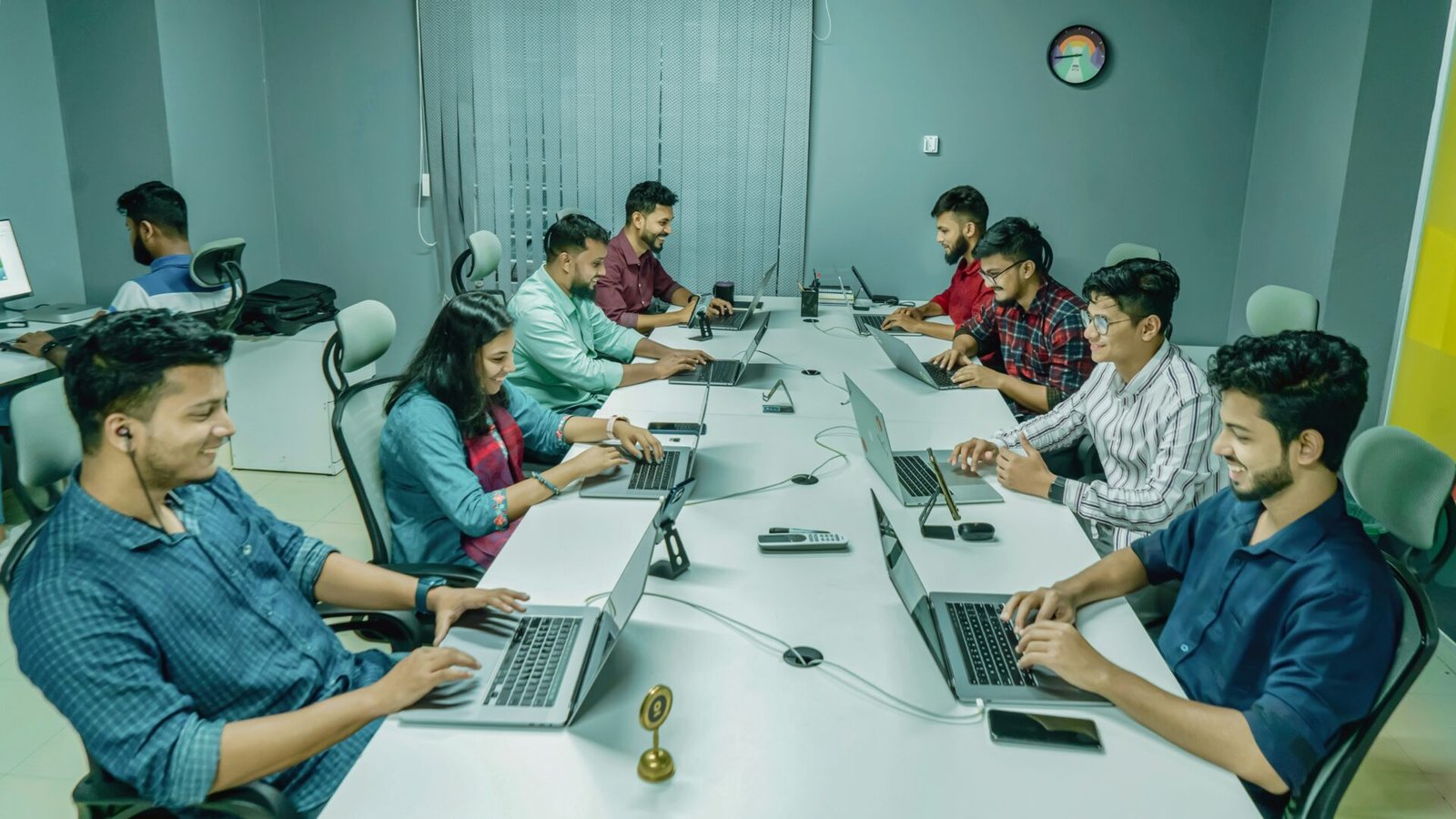
The most dangerous threat to a new HRMS is not a software bug; it is “Shadow IT.” When a new system is introduced, employees naturally compare the new workflow to their old habits. If the new cloud platform requires a manager to click through four different screens to approve a simple shift change, that manager will inevitably revert to what is fast: a WhatsApp message to HR and a private Excel tracker.
When Shadow IT persists, the HRMS ceases to be the “Single Source of Truth.” Leadership ends up making strategic workforce decisions based on incomplete or outdated data.
The Partner Fix: Process Harmonization and Friction Audits This issue stems from forcing legacy processes into modern software. An expert partner does not simply digitize a bad process; they engineer it out of existence. Post-live, consultants conduct a “Friction Audit.” They sit with the end-users (the line managers, not the HR executives) to map out exactly where the UI/UX is causing delays. By reconfiguring the platform to utilize native automation—such as one-click email approvals or automated escalation triggers—the partner removes the administrative friction, making the system faster to use than the legacy Excel sheet.
Challenge 2: The “Administrative Tax” on Mid-Level Managers
Enterprise software is often purchased by the C-suite, designed by the IT department, and administered by HR. The people left holding the bag are the mid-level operational managers.
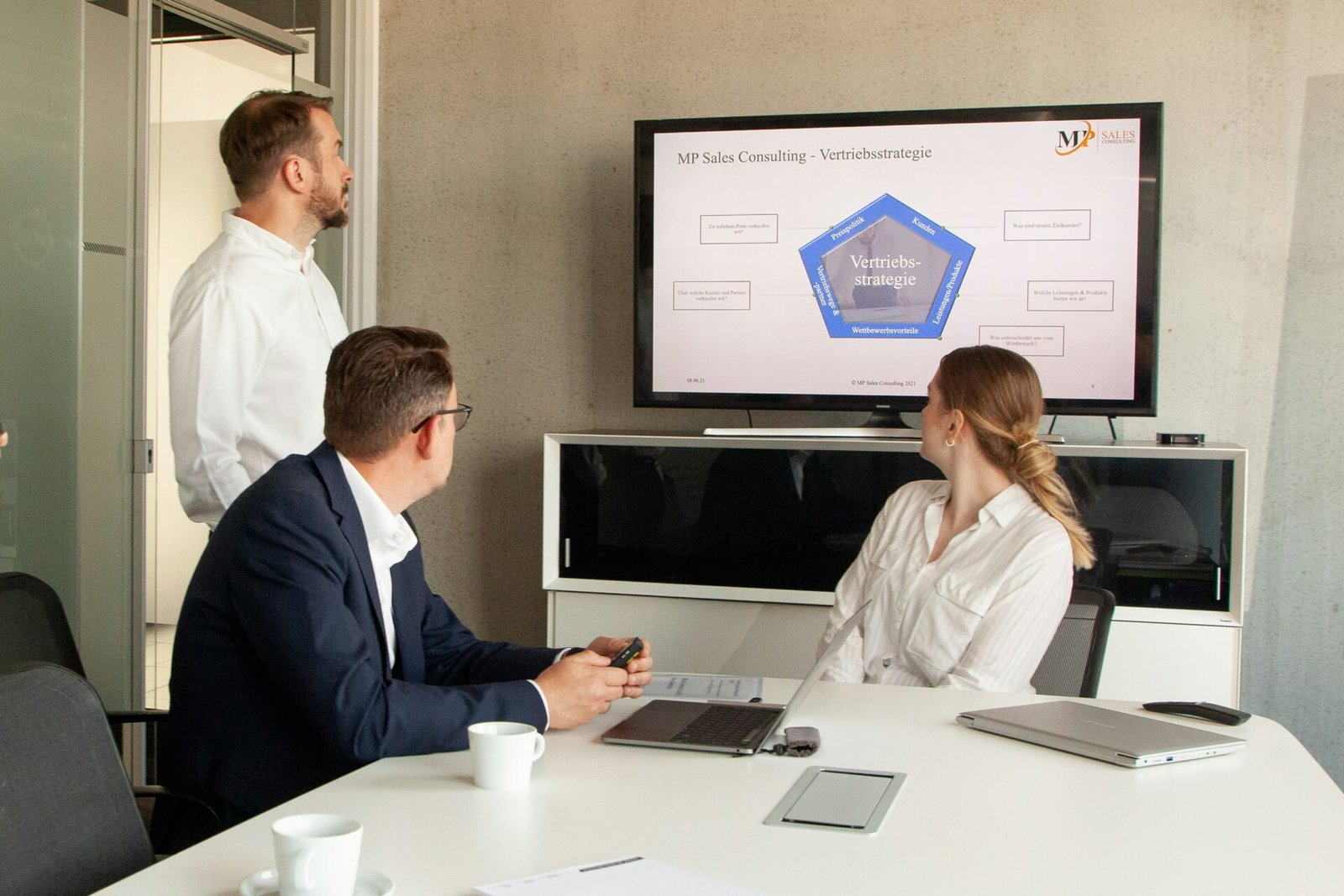
Many HRMS rollouts fail because they effectively transfer the administrative burden of HR directly onto the shoulders of sales, engineering, and manufacturing managers. If an engineering lead is spending three hours a week navigating a clunky performance management module or reconciling attendance discrepancies, you are levying an “administrative tax” on your most critical operational leaders. As McKinsey’s research on transformation routinely highlights, if the middle-management layer rejects a new system, the entire transformation stalls.
The Partner Fix: Manager-Centric Design and Decision Intelligence An expert implementation partner flips the narrative. Instead of treating the manager as a data-entry clerk for HR, the system is configured to serve the manager. This means building personalized “Decision Intelligence” dashboards. If a Sales Manager logs into the HRMS and instantly sees a predictive attrition warning for their top-performing rep, the system suddenly provides immense tactical value. When managers realize the platform helps them hit their KPIs, adoption happens organically.
Challenge 3: Integration Silos and Downstream Data Latency
A common enterprise failure is treating the HRMS as an isolated island. In a mature 1,000+ employee ecosystem, HR data is the foundation of the company’s entire digital architecture.
- If a new hire is onboarded in the HRMS, the IT provisioning system needs to know instantly.
- If a salesperson’s territory changes, the CRM needs updated access controls.
- When the month closes, the ERP requires precise cost-center mapping to process payroll ledgers.
If your systems are not integrated via robust APIs, your HR team is forced to act as a human middleware layer—downloading CSVs from the HRMS and uploading them into the ERP. This introduces massive human error and latency.
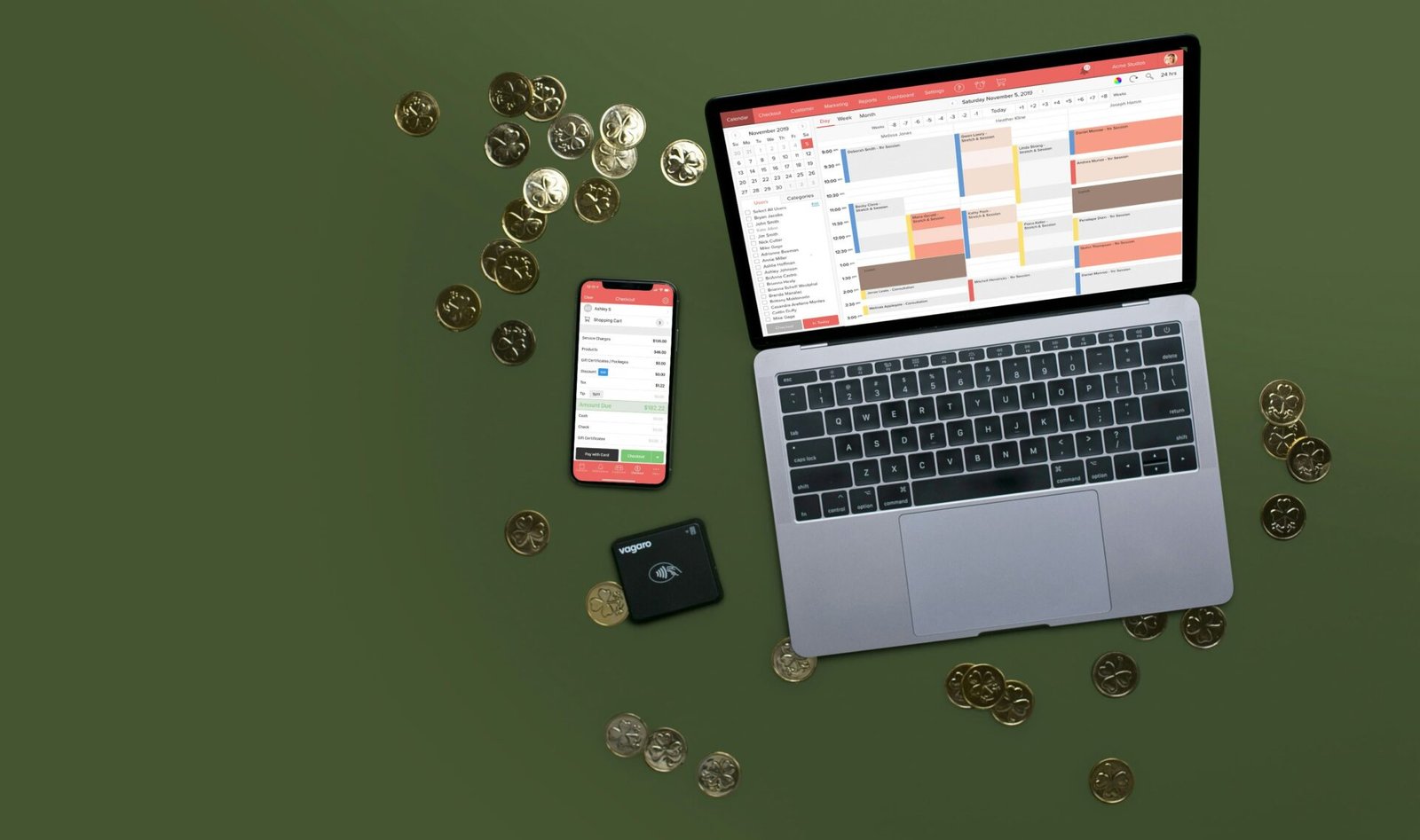
The Partner Fix: API-Led Ecosystem Orchestration Solving this requires deep technical architecture, which is why organizations must leverage specialized CRM and ERP implementation services alongside their HR tech partner. Expert integrators build secure, event-driven middleware. They map the “Golden Record” so that an event in the HRMS (e.g., a promotion) automatically publishes a webhook that updates the financial ledgers in Odoo and the permission sets in LeadSquared in real-time, with zero human intervention.
Challenge 4: The Mobile Usability Gap for Field and Factory Workers
In India, an enterprise’s workforce is incredibly diverse. A corporate executive in Bangalore has a vastly different digital literacy level and bandwidth reality than a field sales agent in rural Maharashtra or a factory floor worker in Pune.
If the HRMS is designed primarily for a desktop browser, you will immediately lose the adoption of your field force. Field workers will not log into a complex web portal at the end of a 10-hour shift to update their timesheets.
The Partner Fix: Designing for the “Edge” Adoption at the edge of the organization requires consumer-grade mobile architecture. A specialized partner configures the platform’s mobile application specifically for low-bandwidth environments. They implement geofenced attendance marking so field agents can check in with a single tap. They deploy voice-to-text interfaces for submitting expense receipts on the fly. By making the mobile experience frictionless, compliance from the field force jumps from 40% to near 100%.
The Center of Excellence: Governing the Post-Live Reality
Software degrades if it is not governed. The most significant differentiator between a failed implementation and a transformative one is the establishment of a post-live Center of Excellence (CoE).
Without a CoE, every department head will demand bespoke customizations to the HRMS. Over time, the platform becomes a “Frankenstein” system—bloated, slow, and impossible to upgrade. According to the MIT Sloan Management Review, digital governance is the primary predictor of long-term technology ROI.
An expert partner helps the enterprise build this CoE, establishing a strict governance board comprising HR, IT, and Finance leaders. This board acts as the gatekeeper, ensuring that any future configuration changes align with the organization’s global standards rather than individual department whims.
Next Step: Rescue and Secure Your HR Transformation If your enterprise HR platform is suffering from low adoption, dirty data, or integration silos, you do not need more training manuals; you need an architectural intervention. Discover how to turn your HRMS into a fully adopted, high-velocity business engine through our expert Darwinbox Implementation Partner Services.