
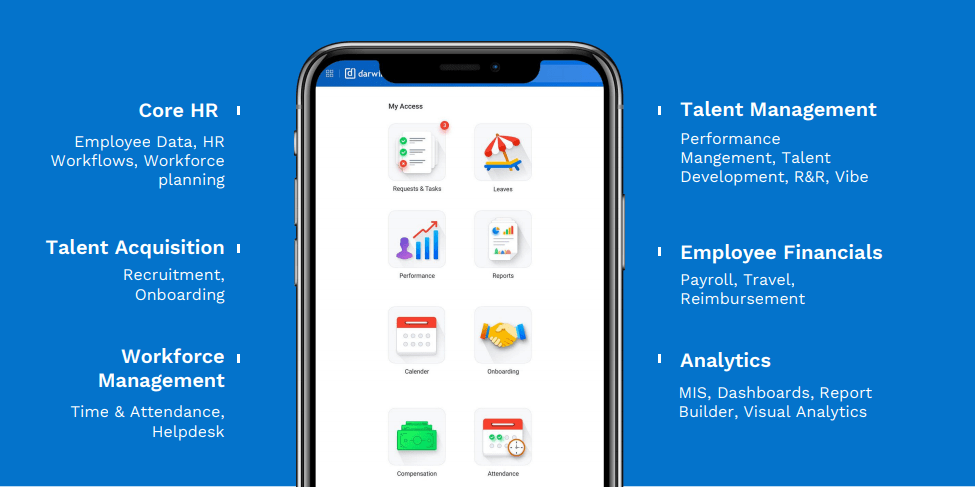
MainStay People Consulting applies a “Durability First” philosophy to ensure that HRMS implementations transition from a technical launch to a sustainable habit. By focusing on structural clarity during the initial Anchor phase, MainStay People Consulting addresses the underlying friction that often stalls user adoption, delivering a 99% system adoption rate within the first three months of implementation.
The champagne has been poured, the vendor confetti has settled, and the CEO has proudly sent the company-wide email celebrating the launch of your new, multi-million-dollar HR platform. On paper, your digital transformation is complete. The software is live, the old legacy system has been decommissioned, and the board is expecting an immediate return on investment in the form of streamlined operations and actionable people analytics.
But 90 days later, the reality on the ground tells a very different, much quieter story.
Your line managers are actively bypassing the slick new interface. They are reverting to hidden spreadsheets, messy email threads, and hallway conversations to get approvals pushed through. The finance team is still manually reconciling headcount at the end of every month because the HR system’s data doesn’t match the ERP. Meanwhile, your strategic HR business partners are spending 80% of their day acting as a glorified IT helpdesk, fielding tickets on how to reset passwords or navigate clunky performance review modules.
You haven’t achieved digital transformation. You are experiencing the “Go-Live Illusion”—the dangerous, expensive assumption that because an enterprise system is turned on, business value is automatically being generated.
The Current Landscape: Implementing Modules vs. Driving Adoption
Most enterprise software doesn’t fail because the underlying code is flawed. A platform like Darwinbox, SAP, or Workday possesses immense technical capability. Instead, enterprise systems fail because of how they are rolled out by traditional implementation partners.
The standard industry approach to an HRMS or ERP rollout is treated as a rigid technical checklist. The vendor’s primary goal is to configure the core modules, migrate the baseline historical data, test for basic bugs, and push the system to launch before the project budget runs dry. This “lift and shift” mentality takes your old, broken processes and simply digitizes them in a newer, more expensive software environment.
This approach critically ignores the human element of enterprise technology. When you drop a generic, out-of-the-box software template onto a complex, distributed workforce, it inevitably introduces operational friction. If a new system makes a manager’s job harder—if it requires six clicks instead of two, or forces an approval up a chain of command that doesn’t reflect real-world authority—they will not use it. Instead, they will build workarounds.
This behavioral resistance is exactly why Gartner consistently reports that true user adoption remains the highest barrier to realizing ROI on any major HR technology investment. When implementation focuses only on turning the software on, rather than how the humans will interact with it, your expensive new enterprise platform simply becomes an overpriced digital filing cabinet.
MainStay’s Take: Software Doesn’t Fix Broken Habits
At MainStay People Consulting, we operate on a fundamental truth: software alone cannot fix fragmented processes, inconsistent data, or adoption fatigue. In fact, layering a complex HRMS over a fundamentally broken organizational design usually just scales the chaos faster.
To prevent the Go-Live Illusion, you must stop treating system implementation as a temporary IT project and start treating it as a permanent architectural transformation. This requires stepping back before a single line of code is configured to map the exact workflows your leaders need to manage a complex workforce.
We believe in achieving deep structural clarity and enterprise-grade governance to align the platform with the exact way your business actually runs. We don’t “implement modules.” We architect a stable, scalable HR system.
This means designing strict approval matrices that reflect real on-the-ground authority rather than theoretical org charts. It means creating orchestrated data contracts across your ecosystem so that HR, Finance, and IT are all operating from a single source of truth. Most importantly, it means engineering the daily rituals of your managers so the platform becomes a permanent, frictionless reflex rather than a forced compliance tool. True transformation isn’t about what the software can do; it is about what your people can do because of the software.
Signals & Starting Points: Are You Trapped in the Illusion?
How do you know if your organization is actively suffering from a post-go-live adoption failure? The signs are rarely found in the software’s uptime reports. Instead, you have to look for the behavioral symptoms of “Shadow HR.”
Look for these five undeniable signals that your system is failing your people:
- The Return to “Excel Hell” If your managers are exporting data out of the new system to manipulate it in offline spreadsheets before presenting it to leadership, your system’s reporting logic does not match your operational reality. When users don’t trust the dashboard, they build their own.
- Escalation Bypass & Shadow IT When performance reviews, mid-cycle compensation adjustments, or onboarding tasks are primarily being negotiated via WhatsApp, Slack, or email—and only retroactively logged into the HRMS to satisfy compliance—the system has become an administrative burden rather than an operational enabler. Your managers are doing the real work outside the system.
- Conflicting Executive Dashboards When the CHRO and the CFO walk into a boardroom with two completely different headcount and payroll numbers, your master data architecture has failed. Overcoming departmental data silos is a structural leadership challenge, as detailed extensively by Harvard Business Review in their analysis of data-driven cultures. If your HRMS isn’t seamlessly talking to your ERP, leadership is flying blind.
- The “Ghost Ship” Modules You paid top dollar for the entire software suite, including continuous feedback, succession planning, and advanced learning management. Yet, a quick look at the backend analytics reveals that outside of mandatory payroll and leave applications, user login rates for these advanced modules are practically zero. You are paying for a Ferrari but only using it to drive to the end of the driveway.
- The Helpdesk HR Trap Your HR team was promised that this new system would automate their administrative burden, freeing them up to focus on strategic talent initiatives. Instead, they are now spending all day fielding “how-to” questions from frustrated managers, manually correcting data entry errors, and chasing down stalled approvals. The software hasn’t elevated HR; it has demoted them to system administrators.
Quick Win: The 14-Day Workflow Audit
If you are seeing these signals in your organization, do not immediately buy another software integration or schedule another round of generic, mandatory system training. Throwing more software or more generic PowerPoint presentations at an adoption problem will only increase employee fatigue.
Instead, execute a focused 14-Day Workflow Audit to uncover the root cause of the friction.
Step 1: Isolate a Critical Process. Pick one high-frequency, high-frustration HR workflow. This could be a mid-level promotion approval, a new-hire onboarding sequence, or a departmental transfer. Step 2: Shadow the Front Line. Do not look at how the process is supposed to work on paper. Follow the exact workflow for two weeks entirely from the perspective of the front-line manager executing it. Step 3: Document the Friction. Document every single time that manager has to leave the HRMS to send an email, make a phone call, message someone on Slack, or update a personal spreadsheet just to get the task done.
You aren’t looking for software bugs during this audit; you are looking for architectural friction points. Once you identify exactly where the system fights your operational reality, you can move away from blaming the users and begin the structural restructuring required to fix the platform.
Ready to Build Predictable HR Infrastructure?
You don’t have to navigate post-go-live stabilization and adoption failures alone. If your HRMS or CRM is officially live but your business isn’t seeing the promised ROI, it is time to move beyond standard vendor implementation and build a resilient enterprise backbone.
Stop accepting fragmented workflows, bad data, and low adoption as the cost of doing business. If you are ready to stop renting temporary expertise and start owning your operational outcomes, speak to an expert at MainStay People Consulting today to discover how our outcome-driven methodologies can turn your enterprise software into a permanent, predictable business habit.