Composable ERPs: Why Fast-Scaling Indian Firms are Abandoning Monoliths
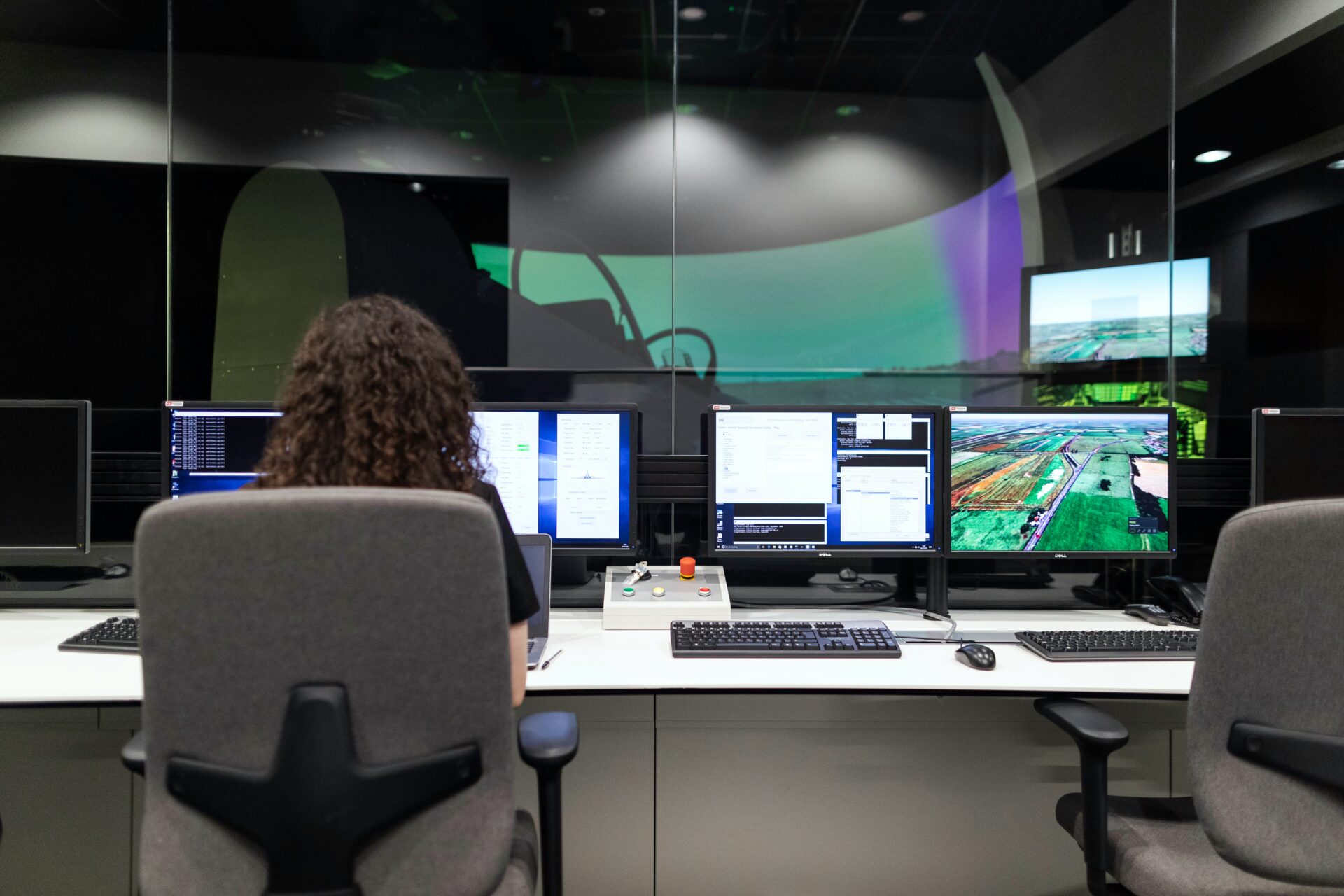
Composable ERPs are leading to the Monolithic Era's Breaking Point For the better part of the last three decades, the foundational blueprint for corporate technology in India was dictated by a singular, unyielding philosophy: the monolithic enterprise resource planning (ERP) system. During the early waves of digital transformation, massive Indian conglomerates and scaling mid-market enterprises poured millions of dollars and countless operational hours into procuring massive, all-encompassing software suites. The promise of the monolithic era was straightforward and seductive. Software vendors promised a single, unified codebase that would manage every conceivable aspect of the business, from complex supply chain logistics and warehouse management to human resources, customer relationship management, and the overarching financial ledger. In theory, buying a single system from a single vendor meant total alignment and a single throat to choke when things went wrong.
The Quote-to-Cash Bridge: Integrating LeadSquared with Legacy Core Banking
Integrating LeadSquared: The Chasm Between Front-Office Agility and Back-Office Antiquity The Banking, Financial Services, and Insurance (BFSI) sector is currently engaged in a massive digital arms race, competing fiercely to deliver the fastest, most frictionless customer acquisition experience possible. To win market share, elite financial institutions and Non-Banking Financial Companies (NBFCs) have invested heavily in high-velocity Customer Relationship Management (CRM) platforms like LeadSquared. These modern, cloud-native platforms are engineered to capture leads instantly, automate front-line sales cadences, and rapidly guide a prospect through the initial stages of loan origination, credit card issuance, or insurance policy selection. However, a profound architectural crisis emerges the exact moment the sales representative successfully secures the customer's commitment and attempts to finalize the transaction.
Beyond the “Post-Go-Live” Helpdesk: Why Darwinbox Agility Requires Dedicated AMS
The Illusion of the Post-Go-Live Finish Line In the high-stakes arena of enterprise technology deployments, the phrase "go-live" is universally celebrated as the definitive finish line. Chief Human Resources Officers (CHROs) and Chief Information Officers (CIOs) spend months, and often millions of dollars, meticulously configuring a tier-one Human Resources Management System (HRMS) like Darwinbox. They endure rigorous data mapping exercises, exhausting user acceptance testing, and complex vendor negotiations. When the system finally launches, the executive sponsors pop the champagne, the implementation consultants hand over the administrative credentials, and the project is officially declared a success. However, this celebratory mindset harbors a dangerous architectural illusion. In the realm of cloud-based enterprise software, go-live is not the end of the journey; it is merely the exact moment your technology begins to age.
WhatsApp API to LeadSquared: Automating Field Sales in Tier 2 Markets
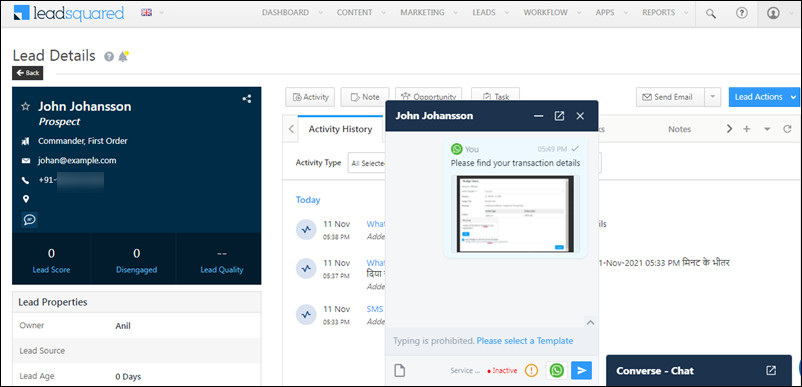
WhatsApp API to LeadSquared, the Communication Chasm in Tier 2 & 3 Markets The landscape of revenue generation in the Indian EdTech and Banking, Financial Services, and Insurance (BFSI) sectors is undergoing a massive geographical shift. As metropolitan markets reach saturation, the most aggressive corporate growth targets are now heavily dependent on penetrating Tier 2 and Tier 3 cities. These emerging markets represent a massive, untapped consumer base eager for digital upskilling programs, micro-loans, and customized insurance products. However, as enterprise sales organizations deploy vast armies of field representatives into these regions, they are immediately confronting a profound communication chasm. The traditional corporate sales cadence—heavily reliant on structured email sequences and scheduled desktop video calls—is fundamentally incompatible with the daily realities of the Tier 2 and Tier 3 consumer.