Solutions
Darwinbox Implementation & HRMS Consulting
Darwinbox Payroll Implementation & Integration
LeadSquared Implementation Partner India | MainStay
Custom Solutions
Odoo ERP Implementation & Integration consulting
Services
HR Systems & Enterprise Consulting Services | MainStay
Payroll AMS & Continuous Statutory Compliance
HRMS Platform Governance
Implementation
Managed Services: Enterprise Platform Stewardship
HR Advisory
Elevating Leadership: The Power of Executive Coaching
Leadership & Managerial Capability Building
Outbound Experiential Learning
Assessment & Organization Development
HRMS Implementation Partner India
CRM Implementation Partner India
HRMS Integration Services | ERP Payroll CRM | MainStay
Platform Integration Consulting
Insights
Blog
Case Studies
About
Philosophy
Team
Careers
Culture
Work with us
Contact Mainstay
Solutions
Darwinbox Implementation & HRMS Consulting
Darwinbox Payroll Implementation & Integration
LeadSquared Implementation Partner India | MainStay
Custom Solutions
Odoo ERP Implementation & Integration consulting
Services
HR Systems & Enterprise Consulting Services | MainStay
Payroll AMS & Continuous Statutory Compliance
HRMS Platform Governance
Implementation
Managed Services: Enterprise Platform Stewardship
HR Advisory
Elevating Leadership: The Power of Executive Coaching
Leadership & Managerial Capability Building
Outbound Experiential Learning
Assessment & Organization Development
HRMS Implementation Partner India
CRM Implementation Partner India
HRMS Integration Services | ERP Payroll CRM | MainStay
Platform Integration Consulting
Insights
Blog
Case Studies
About
Philosophy
Team
Careers
Culture
Work with us
Contact Mainstay
Speak With An Expert
Solutions
Darwinbox Implementation & HRMS Consulting
Darwinbox Payroll Implementation & Integration
LeadSquared Implementation Partner India | MainStay
Custom Solutions
Odoo ERP Implementation & Integration consulting
Services
HR Systems & Enterprise Consulting Services | MainStay
Payroll AMS & Continuous Statutory Compliance
HRMS Platform Governance
Implementation
Managed Services: Enterprise Platform Stewardship
HR Advisory
Elevating Leadership: The Power of Executive Coaching
Leadership & Managerial Capability Building
Outbound Experiential Learning
Assessment & Organization Development
HRMS Implementation Partner India
CRM Implementation Partner India
HRMS Integration Services | ERP Payroll CRM | MainStay
Platform Integration Consulting
Insights
Blog
Case Studies
About
Philosophy
Team
Careers
Culture
Work with us
Contact Mainstay
Speak With An Expert
Category: Blog
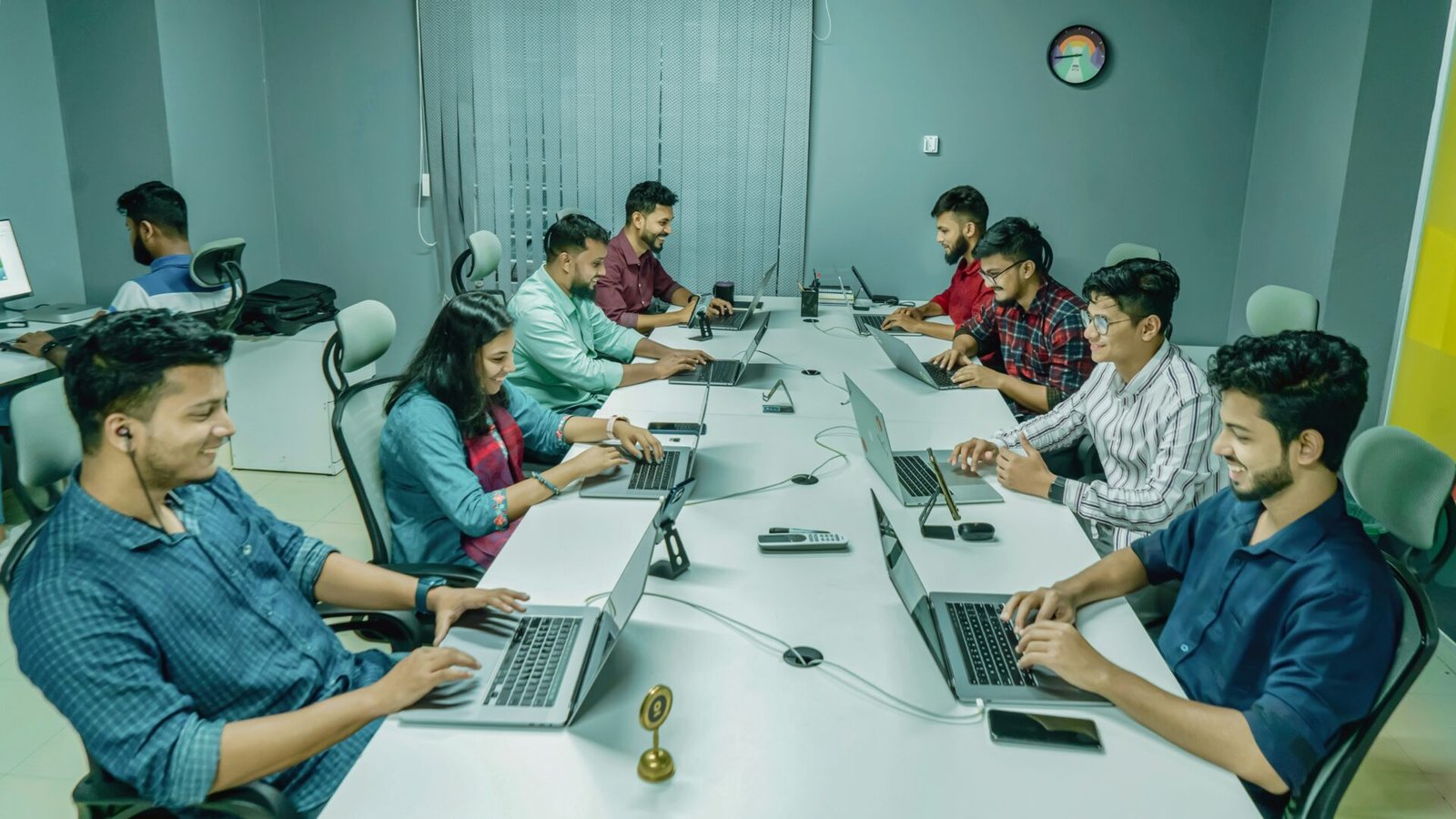
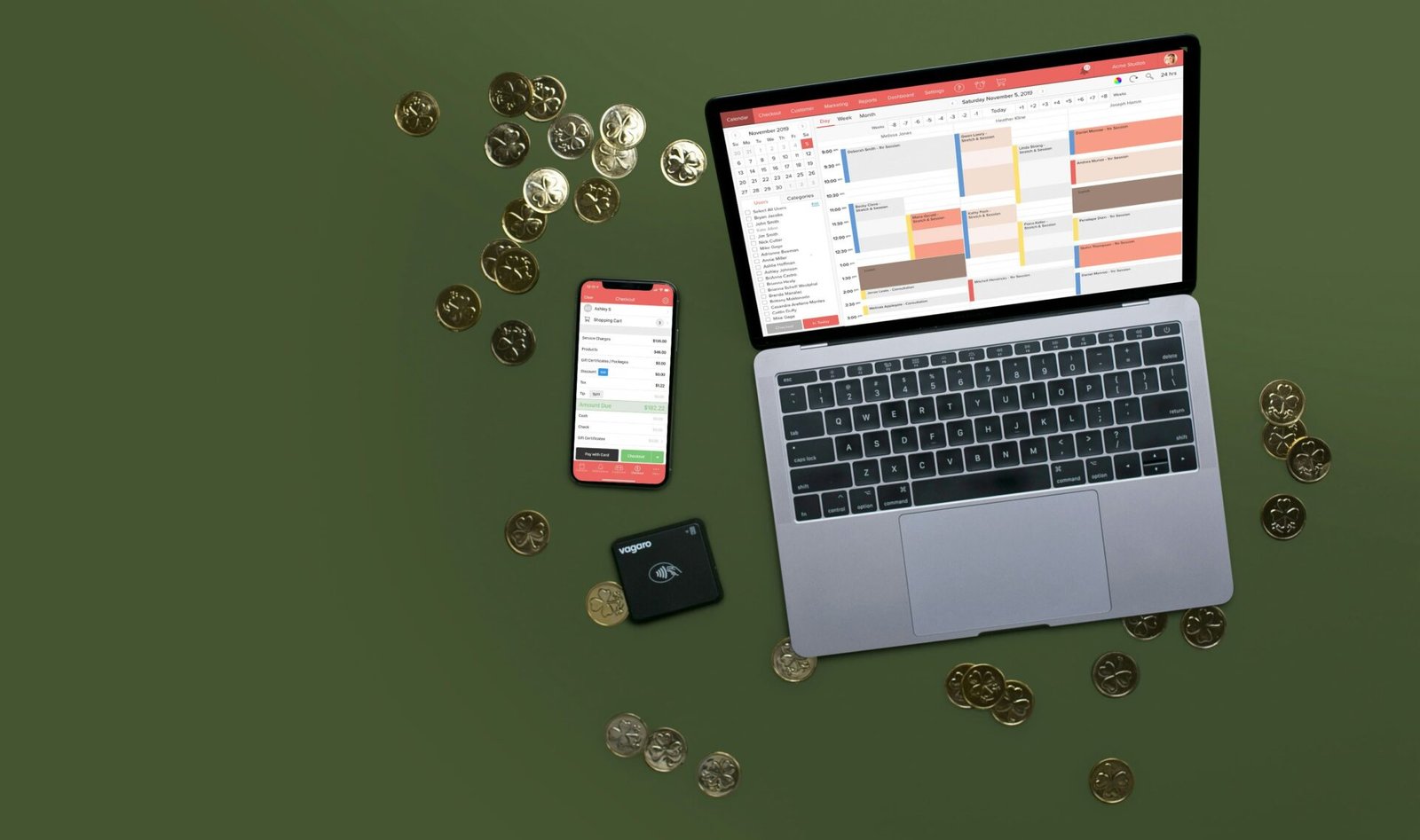
Architecting Enterprise LeadSquared Implementations: A Framework for Sales Velocity and Systems Parity
Learn More
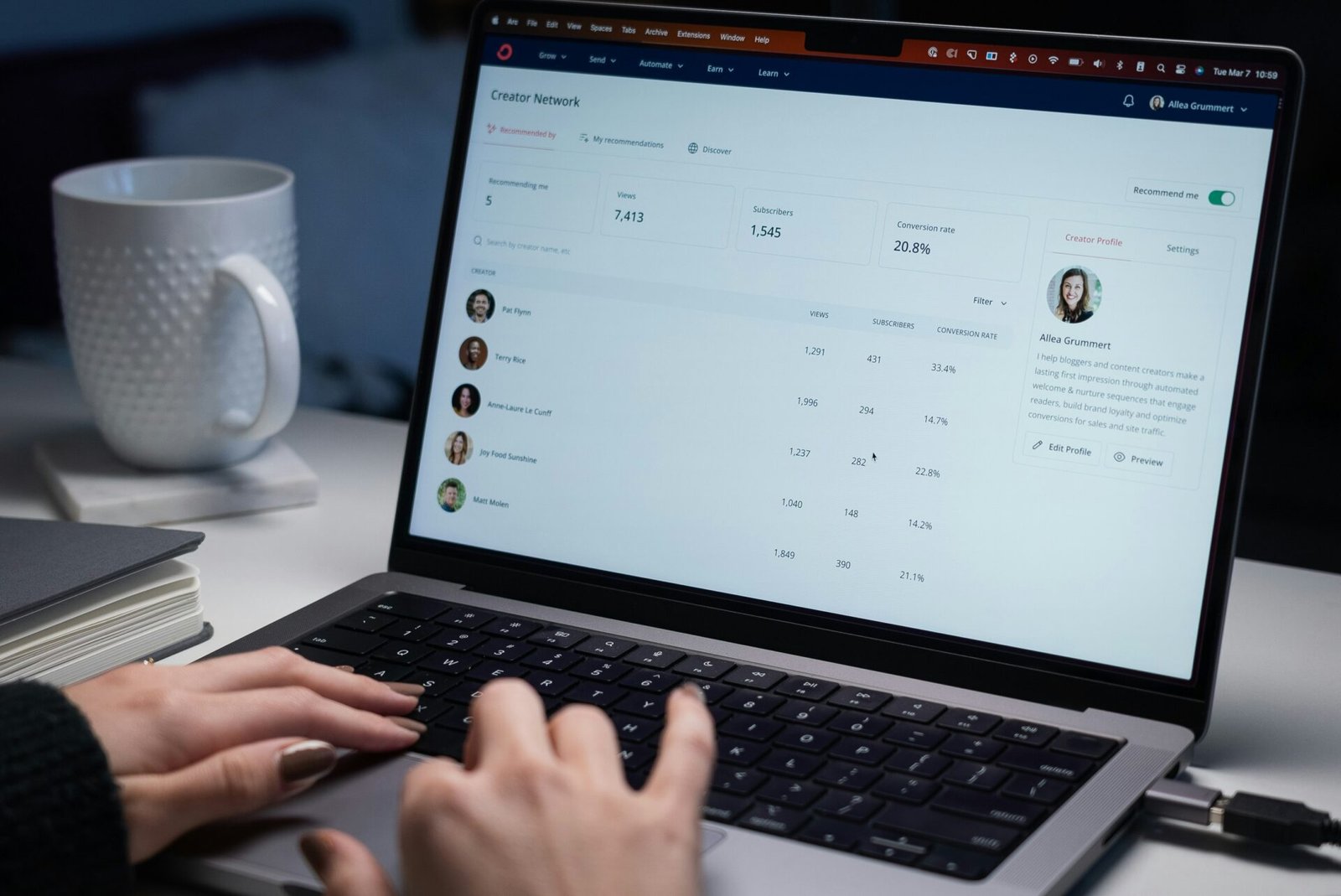
Payroll Automation Benchmark: Evaluating Complex Payroll Features in Modern HRMS Ecosystems
Learn More
Centralizing Employee Records: How Cloud-Based HRMS Systems Eliminate Data Fragmentation
Learn More
Navigating Indian Tax Compliance: Integrating Payroll Software with Statutory Tax & PF Regimes
Learn More
Load More