Solution/Innovation Tag: Solutions
CRM Implementations
Why CRM Implementations Fail (And How Governance Fixes It)
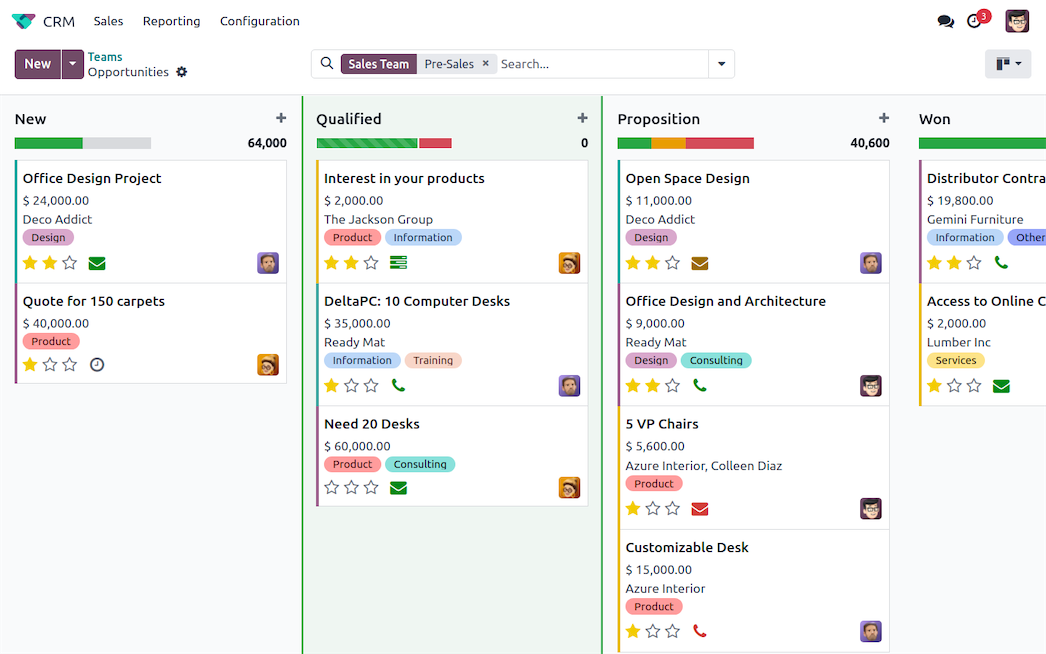
CRM Implementations for enterprise organizations routinely allocate massive capital budgets to procure top-tier Customer Relationship Management platforms, driven by the promise of unprecedented pipeline visibility, accelerated sales cycles, and flawless revenue forecasting. Executive steering committees review dazzling software demonstrations where leads flow seamlessly through automated pipelines and dashboards update in real-time, painting a picture of perfect corporate efficiency. Yet, the reality that follows deployment is often starkly different. Staggering percentages of enterprise CRM initiatives fail to deliver their anticipated return on investment, degrading rapidly from strategic revenue engines into bloated, intensely disliked administrative burdens. This failure rarely stems from the technical limitations of the software itself. Modern platforms are incredibly robust, highly configurable, and engineered to process immense volumes of enterprise data. The true root cause of these catastrophic implementation failures lies in a profound misunderstanding of what a CRM actually is. It is not a silver bullet capable of instantly curing defective organizational processes; rather, it is a magnifying glass that amplifies whatever operational habits—good or bad—already exist within the business
HRMS Implementation Partner in India
The Enterprise Guide to Selecting an HRMS Implementation Partner in India
Selecting a HRMS Implementation Partner in India. The decision to procure a new Human Resources Management System is one of the most financially and operationally significant investments an enterprise will ever make. The modern corporate environment demands agility, deep data visibility, and a unified employee experience, pushing executive leadership teams to abandon fragmented legacy software in favor of robust, cloud-native platforms. However, a profound misconception continues to plague the enterprise landscape: the belief that the software itself holds the power to transform the business. In reality, purchasing a top-tier software license is merely the acquisition of a digital chassis. The engine that actually drives organizational change, enforces process governance, and ensures absolute data fidelity is built entirely by the implementation team.
Odoo erp implementation
Beyond the Module: Navigating High-Stakes Odoo ERP Implementation Challenges
When it comes to an Odoo ERP Implementation, the executive boardroom conversation usually begins with the allure of modularity. A CTO or Head of Operations at a 500-employee enterprise identifies a friction point—perhaps fragmented inventory data or a disconnected sales pipeline—and seeks a solution that isn't as rigid as legacy "Big ERP." Odoo enters the frame as a versatile, cost-effective, and highly customizable alternative.
HR Trainsformation
Why HR Transformations Fail After Implementation
The balloons have deflated, the implementation partner has rolled off the project, and the C-suite has checked the "Digital Transformation" box. Your enterprise is officially live on a tier-one platform like Darwinbox. Yet, six months later, the CHRO is looking at a dashboard of "dirty data," the Sales team is complaining that their new leads aren't syncing with the hrms, and the CTO is wondering why technical debt is actually increasing. This is the "Go-Live Paradox." In mid-to-large enterprises, the technical installation of software is often mistaken for the completion of an HR Transformation. In reality, go-live is merely the starting gun. Without a rigorous post-implementation strategy, the most expensive systems become little more than digital filing cabinets, plagued by low adoption and operational silos. For organizations with 500+ employees, the failure of a transformation isn't usually a software bug; it is an orchestration error. It is the result of failing to manage the complex interplay between people, process, and the cross-functional data handshake.