
Executive Summary
Connecting front-office CRM platforms, mid-office cloud HRMS engines, and back-office financial ERPs requires moving beyond fragile, point-to-point API scripts. An event-driven middleware architecture decouples core platforms, buffers high-concurrency traffic spikes, and guarantees mathematical data parity across the enterprise:
| Integration Layer | Point-to-Point REST (Legacy) | Event-Driven Middleware (Modern) |
| Execution Model | Synchronous / Blocking Calls | Asynchronous Event Buffering |
| Failure Recovery | Unhandled API Drops & Data Loss | Automated Dead-Letter Queue Replay |
| System Coupling | Tightly Coupled Endpoint Dependencies | Decoupled Message Brokers |
| Data Parity | High Ledger Drift & Manual CSV Sync | Real-Time Cryptographic Idempotency |
-
Zero-Loss Payload Delivery: Buffering transactional spikes during month-end payroll locks and high-volume sales pushes.
-
Decoupled System Boundaries: Ensuring backend ERP maintenance or network dropouts never block front-office sales reps or HR workflows.
-
Audit-Ready Ledger Parity: Enforcing cryptographic transaction keys to eliminate duplicate financial postings across legal entities.
The Structural Failure of Point-to-Point Integration
As enterprises scale across multiple subsidiaries, service lines, and geographic markets, the underlying technology stack grows increasingly complex. Front-office teams rely on high-velocity sales CRMs like LeadSquared to drive revenue, HR leadership leverages cloud HCM platforms like Darwinbox to manage workforce operations, and corporate finance relies on core ERPs like SAP, Oracle, or NetSuite for general ledger accounting.
When IT departments connect these distinct systems using direct, point-to-point REST API scripts, the integration stack becomes extremely brittle. A synchronous API call triggered when a sales deal hits “Closed-Won” attempts to simultaneously update the CRM, provision employee credentials in the HRMS, and generate a sales order in the financial ERP. If the ERP experiences database locking during month-end closing, the entire HTTP thread times out. The front-office sales rep receives an error, customer records become fragmented, and finance teams are forced into days of manual spreadsheet reconciliation.
To eliminate this operational friction, enterprise IT leaders partner with specialized practitioners in enterprise systems integration india. MainStay Consulting designs fault-tolerant integration gateways that replace rigid point-to-point connections with asynchronous, event-driven middleware, ensuring total data parity across front-office, HR, and accounting systems.
According to the Gartner 2026 Analysis on Enterprise Integration Middleware Architecture, organizations that transition from legacy synchronous APIs to event-driven, decoupled integration layers reduce transactional system failures by 85% while cutting post-implementation maintenance costs in half.
Architectural Mechanics of Event-Driven Integration
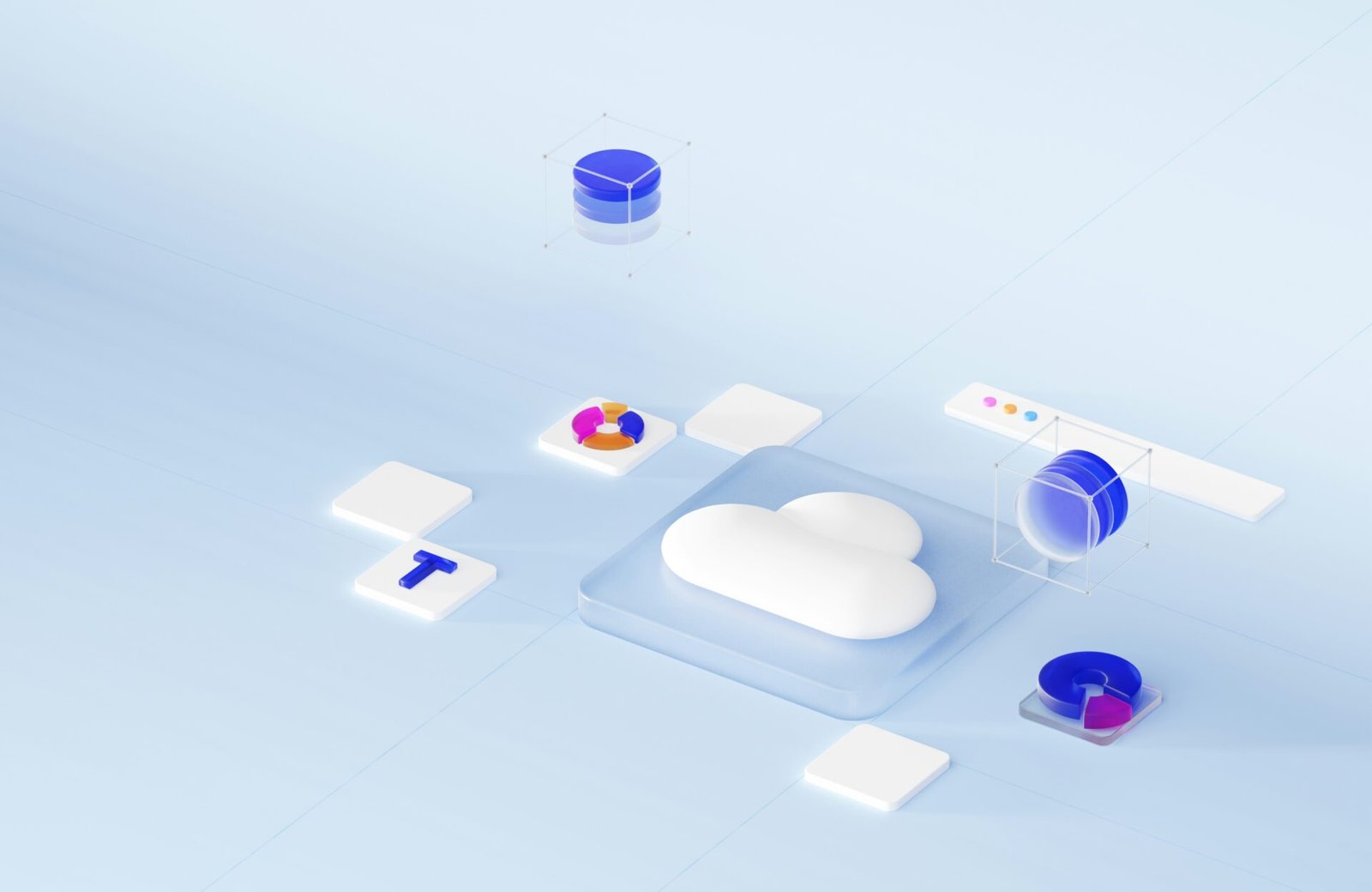
Event-driven architecture (EDA) fundamental shifts how enterprise applications communicate. Instead of forcing System A to call System B and wait for a response, applications publish state changes as immutable “events” to a centralized message broker.
+-----------------------------------------------------------------------------------+
|                     EVENT-DRIVEN MIDDLEWARE ARCHITECTURE                          |
+-----------------------------------------------------------------------------------+
                                         |
     +-----------------------------------+-----------------------------------+
     |                                   |                                   |
     v                                   v                                   v
+--------------------------+  +--------------------------+  +--------------------------+
| Enterprise HRMS Platform |  | High-Velocity CRM        |  | Core Financial ERP       |
| (e.g., Darwinbox)        |  | (e.g., LeadSquared)      |  | (e.g., SAP / NetSuite)   |
+--------------------------+  +--------------------------+  +--------------------------+
             |                               |                               |
             +-------------------------------+-------------------------------+
                                             |
                                             v
                           +-----------------------------------+
                           | Asynchronous Message Broker Bus   |
                           | (Kafka / SQS Queues & Workers)    |
                           +-----------------------------------+
                                             |
                                             v
                           +-----------------------------------+
                           | Idempotent Processing Gateway     |
                           | (Schema Validation & DLQ Buffers) |
                           +-----------------------------------+
1. Asynchronous Event Buffering
When an event occurs—such as a new hire onboarding in Darwinbox or a closed deal in LeadSquared—the source application transmits a lightweight JSON payload to an enterprise message queue (such as Apache Kafka or AWS SQS). The broker acknowledges receipt instantly with an HTTP 202 status code. The source platform moves on immediately without blocking user activity, while downstream worker microservices consume and process the message asynchronously.
2. Idempotent Payload Execution
Network retries in distributed cloud environments frequently result in duplicate HTTP transmissions. If an integration engine processes a payroll or order payload twice, it creates duplicate accounting entries in the general ledger. Modern middleware assigns a unique cryptographic hash (idempotency key) to every payload at the ingress edge. Downstream consumer workers validate this key against a high-speed cache before committing changes, guaranteeing that a transaction executes exactly once.
3. Circuit Breakers and Dead-Letter Queues (DLQ)
When a target system—such as a legacy accounting ledger—goes offline for scheduled maintenance, sending continuous API requests causes thread pool exhaustion. Event-driven middleware deploys automated circuit breakers. When endpoint error rates cross a defined threshold, the circuit trips, pausing downstream delivery and rerouting unhandled events to a Dead-Letter Queue (DLQ). Once the target service recovers, the gateway automatically replays buffered messages without payload loss.
Tri-System Integration Scenario: HRMS, CRM, and ERP Alignment
To understand the practical power of event-driven middleware, examine a common cross-departmental enterprise workflow: onboarding a billable senior consultant in an IT services or consulting firm.
+-----------------------+      +-----------------------+      +-----------------------+
|  Darwinbox HRMS       | ---> | Integration Gateway   | ---> | LeadSquared CRM       |
| (New Hire Approved &  |      | (Payload Validation & |      | (Resource Profile     |
|  Identity Created)    |      |  Schema Normalization)|      |  & Skill Tagging)     |
+-----------------------+      +-----------------------+      +-----------------------+
                                           |
                                           v
                               +-----------------------+
                               | Core Enterprise ERP   |
                               | (Cost-Center Ledger & |
                               |  Payroll Allocation)  |
                               +-----------------------+
1. Ingestion at the HRMS Layer
The employee’s profile, cost-center assignment, and baseline compensation are finalized inside Darwinbox. The HCM platform fires an outbound webhook event: employee.onboarded.v1.
2. Middleware Transformation and Enrichment
The integration gateway intercepts the event, validates the schema against central registry rules, and enriches the payload with corporate tax identifiers and billable rate structures.
3. Parallel Downstream Synchronization
The middleware broker broadcasts the normalized event payload to two independent consumer workers simultaneously:
-
CRM Worker: Provisions a sales resource profile in LeadSquared, mapping the engineer’s technical certifications and billable rate cards so project managers can assign them to incoming client bids immediately.
-
ERP Worker: Creates a corresponding vendor/employee sub-ledger record inside SAP or NetSuite, attaching cost-center tags to ensure future payroll disbursements mirror backend financial accounts.
By engaging an experienced crm implementation partner india, technology leaders ensure that complex cross-system pipelines are engineered with explicit schema governance, preventing payload corruption across platform boundaries.
Safeguarding Integration Pipelines with Active Governance
Deploying event-driven middleware creates a resilient, high-availability architecture, but maintaining long-term system stability requires active application stewardship. As cloud vendors roll out quarterly platform updates, API endpoints, authentication standards, and data schemas inevitably shift.
Without continuous governance, integration health degrades over time. Unmonitored API version deprecations lead to silent webhook failures, custom fields added by local HR teams break payload validation contracts, and unhandled exception logs accumulate in dead-letter queues.
+-----------------------------------------------------------------------------------+
|                       CONTINUOUS INTEGRATION GOVERNANCE                           |
+-----------------------------------------------------------------------------------+
                                         |
     +-----------------------------------+-----------------------------------+
     |                                   |                                   |
     v                                   v                                   v
+--------------------------+  +--------------------------+  +--------------------------+
| Schema Contract Auditing |  | Dead-Letter Queue Audits |  | Platform API Health Logs |
+--------------------------+  +--------------------------+  +--------------------------+
| • Validate JSON contracts|  | • Monitor failed retries |  | • Track latency spikes   |
| • Intercept schema drift |  | • Replay corrected items |  | • Audit rate-limit caps  |
+--------------------------+  +--------------------------+  +--------------------------+
To protect critical software investments, enterprise organizations rely on dedicated darwinbox ams services. Securing active Application Managed Services provides access to platform architects who continuously monitor middleware telemetry, resolve DLQ exceptions, and adjust data schemas whenever statutory rules or business structures evolve.
Recent analysis published by The Economic Times on enterprise application architecture trends highlights that mid-market and enterprise firms operating with proactive integration governance experience 70% fewer system outages during major software upgrades than those relying on reactive internal maintenance.
Architecting a Resilient Enterprise Infrastructure
Relying on brittle, point-to-point API scripts to connect core enterprise software creates an unstable foundation that limits growth and creates data silos. By transitioning to a modern event-driven middleware architecture, technology leaders decouple system dependencies, eliminate transaction failures, and establish seamless data parity across sales, HR, and accounting platforms.
When front-office momentum, workforce management, and financial ledgers operate in complete synchronization, enterprise leadership gains the speed, visibility, and operational resilience required to scale with total confidence.
To eliminate integration friction and engineer a fault-tolerant enterprise middleware stack, consult with our systems integration experts at our HR Systems Enterprise Consulting practice.